What Does an Orthopedic Doctor Do? Understanding Bone and Joint Care
Strong musculoskeletal health supports everyday mobility, personal independence, and long-term physical well-being. From walking and lifting to maintaining posture and balance, our bones, joints, muscles, and ligaments work together every day. When pain, injury, or degeneration affects this system, specialized medical care becomes essential, and consulting the best orthopedic doctor in Patna can make a significant difference in diagnosis and treatment outcomes. This is where orthopedic care comes into focus.
As observed by general medicine practitioners, many patients initially present with symptoms such as joint pain, stiffness, swelling, or restricted movement. These signs often indicate underlying orthopedic conditions that require evaluation by an orthopedic doctor in Patna with specialized training. Understanding what an orthopedic doctor does can help patients seek timely care, reduce the risk of complications, and support long term musculoskeletal health.
Who Is an Orthopedic Doctor?
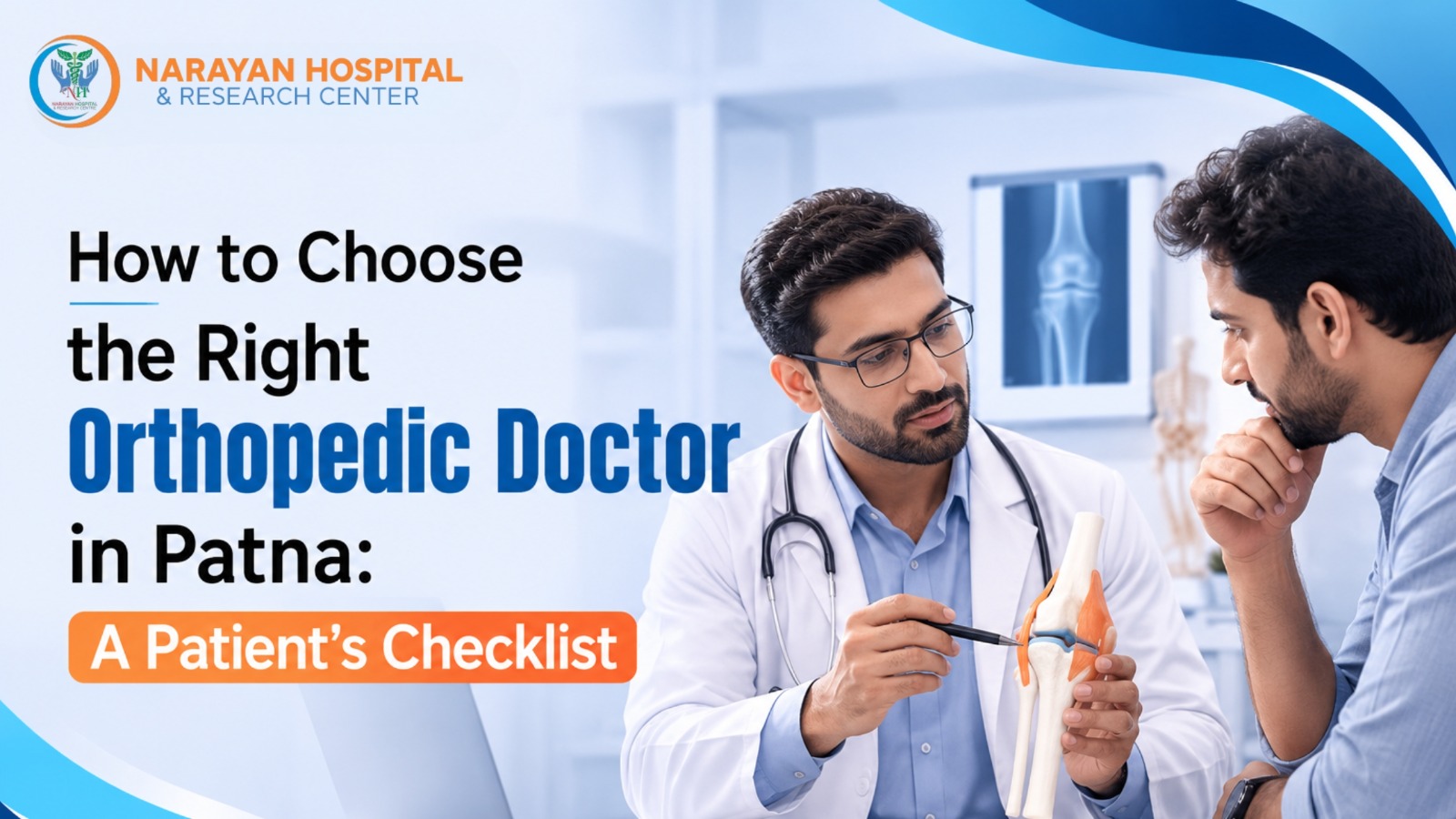
An orthopedic doctor is a medical specialist trained to diagnose, treat, prevent, and rehabilitate conditions related to the musculoskeletal system. It involves the coordinated function of bones, joints, muscles, tendons, ligaments, and nerves. Patients of all age groups may require orthopedic care, ranging from children with congenital bone issues to elderly individuals with arthritis or fractures.
In cities like Patna, where access to specialized healthcare has expanded significantly, consulting an experienced orthopedic doctor in Patna allows patients to receive focused treatment for both acute injuries and chronic orthopedic disorders.
Common Conditions Treated by Orthopedic Doctors
Orthopedic doctors manage a wide range of conditions, many of which are initially identified in general medicine consultations. Some of the most common include:
Joint and Bone Disorders
Joint and bone disorders can significantly affect mobility, comfort, and daily functioning if left untreated. Orthopedic evaluation helps in early diagnosis and long term management of these conditions.
-
Common joint and bone disorders include:
- Osteoarthritis and rheumatoid arthritis affecting joint movement and comfort.
- Back pain, neck pain, and other spinal disorders affecting movement
- Degenerative joint diseases leading to gradual loss of joint function
Timely orthopedic care helps relieve pain, preserve joint health, and maintain an active lifestyle.
Injuries and Trauma
Orthopedic doctors play a key role in managing injuries caused by accidents, falls, or physical activity. Prompt evaluation and proper treatment are essential to restore function and prevent long-term complications.
-
Common orthopedic injuries and trauma cases include:
- Fractures and dislocations affecting bones and joints
- Sports related injuries involving muscles, ligaments, or cartilage
- Ligament and tendon tears that limit strength and mobility
Early orthopedic care supports safe healing, faster recovery, and long-term musculoskeletal stability.
Spine and Posture Issues
Spinal health plays a crucial role in overall mobility, balance, and daily comfort. Orthopedic evaluation is often required when spine-related problems begin to affect posture, movement, or nerve function.
-
Common spine and posture issues include:
- Slip disc and sciatica causing back pain and nerve compression
- Scoliosis and posture-related pain affecting spinal alignment
- Cervical and lumbar spondylosis leading to stiffness and chronic discomfort
Early assessment and appropriate management help reduce pain, improve posture, and prevent long term spinal complications.
Pediatric and Geriatric Conditions
Orthopedic care is important across all age groups, including children and older adults, as they are more vulnerable to specific bone and joint conditions. Early identification and appropriate management help support healthy growth in children and maintain mobility in the elderly.
-
Common pediatric and geriatric orthopedic conditions include:
- Congenital bone deformities affecting growth and alignment
- Osteoporosis and age-related bone weakness increasing fracture risk
Early referral to a top orthopedic doctor in Patna often helps prevent complications, supports safer recovery, and improves long term functional outcomes.
Diagnostic Role of Orthopedic Doctors
Orthopedic evaluation begins with a detailed medical history and physical examination. From a general physician’s standpoint, imaging and diagnostic tests play a crucial role in confirming musculoskeletal conditions.
-
Orthopedic doctors commonly use:
- X-rays for fractures and joint damage
- MRI scans for soft tissue injuries
- CT scans for complex bone structures
- Bone density tests for osteoporosis
Accurate diagnosis allows the orthopedic specialist to determine whether conservative management or surgical intervention is required.
Non-Surgical Treatment Approaches
Not all orthopedic conditions require surgical intervention. Many musculoskeletal issues can be effectively managed through non-surgical or minimally invasive treatment methods, especially when diagnosed early.
-
Orthopedic care often involves collaboration through:
- Medications for pain and inflammation
- Physical therapy and rehabilitation programs
- Lifestyle modifications and posture correction
- Assistive devices such as braces or supports
Patients managed at a best orthopedic hospital in Patna typically benefit from a multidisciplinary approach that emphasizes recovery, mobility, and long term joint health.
When Is Orthopedic Surgery Needed?
Surgical intervention is considered when conservative treatment does not provide adequate relief or when structural correction is necessary. Orthopedic surgeries aim to restore function, reduce pain, and improve quality of life.
-
Common orthopedic procedures include:
- Joint replacement surgeries (knee or hip)
- Arthroscopy for joint repair
- Spine surgeries for disc or nerve compression
- Fracture fixation and reconstructive procedures
Advancements in medical technology have improved surgical precision and reduced recovery time, especially in centers recognized as offering the best orthopedic in Patna.
Importance of Rehabilitation and Follow-Up Care
From a general medicine perspective, recovery does not end with medical treatment or surgical intervention. Rehabilitation plays a critical role in restoring function, strength, and mobility following orthopedic care.
-
Orthopedic doctors emphasize:
- Post-treatment physiotherapy
- Strength and flexibility training
- Gradual return to daily activities
- Regular follow-up evaluations
This comprehensive approach ensures long term success and minimizes the risk of recurrence or disability.
Orthopedic Care at Narayan Hospital
Narayan Hospital is referred to as one of the best hospitals in Patna by a large number of patients. The hospital delivers high-quality medical care through advanced technology, experienced doctors, and professionally trained nursing staff.
As a renowned multispeciality hospital in Patna, Narayan Hospital manages diverse medical needs, including orthopaedics, ENT, dermatology, gynaecology, and general medicine. The orthopedic department works in coordination with diagnostic, surgical, and rehabilitation units to ensure seamless patient care.
Patients seeking consultation with the best orthopedic doctor in Patna often benefit from such integrated care environments, where accurate diagnosis, timely intervention, and patient comfort are prioritized.
When Should You See an Orthopedic Doctor?
General medicine doctors commonly recommend an orthopedic consultation when patients experience ongoing or worsening musculoskeletal symptoms that interfere with daily life. Early identification of orthopedic conditions allows timely treatment and better functional recovery.
-
Patients are advised to consult an orthopedic doctor if they experience:
- Ongoing joint, bone, or muscle pain that doesn’t ease with rest or treatment.
- Limited mobility, stiffness, or reduced range of motion in joints
- Swelling, visible deformity, or weakness in the limbs or spine
- Difficulty walking, standing, lifting objects, or performing routine daily tasks
Early evaluation by an orthopedic specialist, particularly the best orthopedic doctor in Patna, helps prevent disease progression, reduces the risk of complications, and supports improved long term musculoskeletal outcomes.
Conclusion
Orthopedic doctors play a vital role in preserving mobility, reducing pain, and enhancing overall physical function throughout a person’s life. From diagnosing joint disorders and bone conditions to managing injuries and guiding structured rehabilitation, their expertise supports patients at every stage of care. Seeking guidance from the best orthopedic doctor in Patna allows patients to receive accurate diagnosis and timely intervention for musculoskeletal concerns.
For individuals experiencing ongoing bone, joint, or muscle issues, timely referral to an experienced orthopedic doctor in Patna and treatment at a best orthopedic hospital in Patna can make a meaningful difference in recovery and long term mobility. Understanding the full scope of orthopedic care helps patients make informed decisions, minimize complications, and take proactive steps toward improved bone and joint health.