Understanding General Medicine: Meaning, Scope, and Its Role in Modern Healthcare
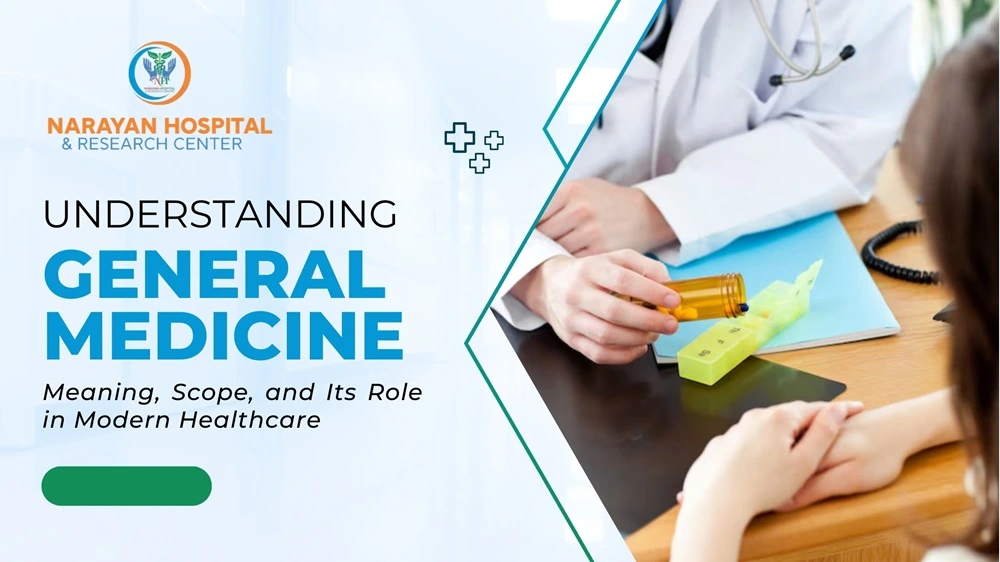
General medicine plays a vital role in the healthcare system by acting as the first point of medical contact for patients facing a wide range of health concerns. From routine illnesses to complex diagnostic challenges, a general medicine doctor in Patna often becomes the foundation of timely and effective medical care. This specialty focuses on comprehensive patient evaluation, early diagnosis, and non-surgical management of diseases.
In modern hospital settings, general medicine acts as a bridge between patients and specialized departments. At leading institutions like Narayan Hospital, general medicine departments ensure coordinated care by addressing symptoms holistically and guiding patients toward the right treatment pathway. This blog explains the meaning, scope, and importance of general medicine from a clinical perspective, while helping patients understand when and why this department matters.
What Is General Medicine?
General medicine is a medical specialty dedicated to diagnosing, treating, and preventing adult diseases that do not immediately require surgical intervention. Physicians trained in this field manage both acute and chronic conditions while maintaining a whole body approach to patient care.
Core Meaning of General Medicine
General medicine is centered on comprehensive patient care, where the focus goes beyond treating isolated symptoms. It involves understanding the overall health status of a patient, identifying underlying medical conditions, and ensuring timely medical intervention. The specialty plays a crucial role in maintaining long term wellness through accurate diagnosis, continuous monitoring, and coordinated treatment strategies.
-
General medicine focuses on:
- Identifying early symptoms of illness
- Managing common medical conditions
- Providing long term care for chronic diseases
- Coordinating referrals to specialists when needed
A doctor with MD general medicine training possesses deep clinical knowledge to manage complex medical cases while ensuring patient safety and continuity of care.
Who Is a General Medicine Doctor?
A general medicine doctor is a medically trained physician who specializes in internal medicine and adult healthcare. These doctors are responsible for diagnosing a wide range of medical conditions, managing ongoing illnesses, and guiding patients through appropriate treatment pathways based on their complete health profile rather than focusing on a single symptom or organ.
-
A general medicine doctor is trained to:
- Evaluate patient symptoms through detailed clinical examination
- Interpret diagnostic reports such as blood tests, imaging, and scans
- Design treatment plans based on the patient’s overall health condition
- Monitor recovery and adjust medications when required
Through this comprehensive approach, general medicine doctors ensure accurate diagnosis, effective medical management, and continuity of care, especially in hospital based and multispeciality healthcare settings.
Scope of General Medicine in Modern Hospitals
The field of general medicine has grown considerably because of changing lifestyles, an increase in chronic illnesses, and the importance of early detection.
Conditions Commonly Treated
General medicine doctors manage a wide range of conditions that affect overall health and daily functioning. These conditions may be acute, chronic, or lifestyle related, requiring accurate diagnosis, medical management, and continuous monitoring to prevent complications. The goal of general medicine is to provide timely treatment while addressing the root cause of illness.
-
Including:
- Fever, infections, and viral illnesses
- Diabetes, hypertension, and thyroid disorders
- Respiratory conditions like asthma and bronchitis
- Digestive system disorders
- Lifestyle related health issues
By treating these conditions comprehensively, general medicine doctors help patients achieve better health outcomes, reduce hospital visits, and maintain long term wellness through personalized care plans.
Role in Multispeciality Hospitals
In a multispeciality healthcare environmental, general medicine doctors play a central role in coordinating patient care across multiple departments. They act as the first clinical contact, ensuring accurate diagnosis, stabilisation of patients, and smooth referral to specialised services when required. This collaborative approach improves treatment efficiency and patient outcomes.
-
In a multispeciality setup, general medicine doctors:
- Collaborate with cardiology, orthopaedics, ENT, dermatology, and gynaecology departments
- Ensure timely referrals based on clinical evaluation
- Manage emergency cases and stabilise patients before specialised treatment
- Oversee inpatient care and long term disease monitoring
A strong general medicine doctor hospital setup is essential for delivering integrated healthcare, managing complex medical cases, and maintaining continuity of care within a multispeciality hospital system.
Importance of General Medicine in Patient-Centered Care
General medicine emphasizes treating the patient as a whole rather than focusing only on symptoms.
Early Diagnosis and Prevention
One of the most important roles of general medicine doctors is identifying diseases at an early stage. Early identification of medical conditions minimizes risks and enhances healing.
Continuity of Care
General physicians often manage patients over long periods, especially those with chronic illnesses. This continuity builds trust and allows doctors to track health changes accurately.
Cost Effective Treatment
By managing conditions medically and avoiding unnecessary procedures, general medicine ensures affordable and ethical healthcare.
Why General Medicine Doctors Are Essential in Patna
With increasing urban stress, pollution, and lifestyle disorders, the demand for general medicine doctors in Patna has grown steadily.
Local Healthcare Needs
Patients in Patna often require accessible, reliable, and timely medical care due to a mix of acute illnesses, lifestyle related conditions, and chronic diseases. General medicine plays a crucial role in addressing these needs by providing early diagnosis, continuous monitoring, and coordinated hospital care under one medical discipline.
-
Patients in Patna often require:
- Quick diagnosis for common illnesses
- Long term care for chronic diseases
- Coordination across multiple departments
A skilled general medicine doctor in Patna ensures timely treatment while reducing the burden on specialty departments.
Hospital Based Medical Support
Hospitals with strong general medicine departments can manage emergencies, stabilize patients, and ensure smooth inpatient care. This makes general medicine a backbone specialty in hospital environments.
General Medicine at Narayan Hospital
Narayan Hospital is referred to as one of the best hospitals in Patna by a large number of patients. The hospital provides world class treatment facilities supported by state of the art technology, highly skilled medical professionals, and trained nursing staff.
Dedicated Departments for Seamless Care
To deliver premium healthcare services, Narayan Hospital has established specialised departments designed to provide efficient, patient focused, and well-coordinated medical care. Each department functions with advanced medical infrastructure and experienced professionals to ensure accurate diagnosis, timely intervention, and a comfortable hospital experience.
-
Departments at Narayan Hospital ensure:
- Faster diagnosis
- Coordinated treatment
- Comfortable inpatient care
As a renowned multispeciality hospital in Patna, Narayan Hospital treats patients with gynaecological, dermatological, orthopaedic, ENT, and various medical conditions. The hospital also offers advanced medical and surgical expertise through specialties such as general and laparoscopic surgery, plastic surgery, dermatological surgery, and more, ensuring comprehensive healthcare under one roof.
Strength of the General Medicine Department
The general medicine department serves as the backbone of Narayan Hospital’s clinical care system. It plays a vital role in managing patients from admission through recovery by providing continuous medical supervision and coordinating treatment across multiple specialties.
-
General medicine handles:
- Managing emergency admissions
- Monitoring inpatients
- Coordinating specialist referrals
- Ensuring ethical, evidence based treatment
Through this structured and patient-centered approach, the general medicine department helps maintain high standards of care, clinical accuracy, and seamless coordination throughout the hospital.
Difference Between General Medicine and Other Specialties
Understanding how general medicine differs from other medical branches helps patients make informed decisions.
General Medicine vs Specialised Care
General medicine plays a broad and integrative role in healthcare by addressing multiple symptoms and conditions under one medical discipline. It focuses on comprehensive diagnosis and long term management rather than limiting care to a single organ system. This approach ensures that patients receive well rounded medical attention before moving to specialised treatment if required.
-
General medicine handles:
- Overall diagnosis and management
- Specialties focus on specific organs or systems
- General physicians guide patients toward the right specialist
By acting as the first point of contact, general medicine doctors ensure accurate assessment and appropriate referral, preventing unnecessary delays in treatment.
Non-Surgical Focus
General medicine primarily emphasises non-surgical treatment methods that promote recovery through medical management rather than invasive procedures. This allows patients to receive effective care while avoiding surgical risks whenever possible.
-
Unlike surgery, general medicine uses:
- Medications for disease control and symptom relief
- Lifestyle modification to support long term health
- Clinical monitoring to track progress and prevent complications
This non-surgical approach makes general medicine an essential specialty for managing chronic conditions, stabilising acute illnesses, and maintaining overall patient wellness.
When Should You Consult a General Medicine Doctor?
Consulting a general medicine doctor at the right time plays a crucial role in early diagnosis and effective treatment. General physicians are trained to assess multiple symptoms together, identify underlying medical conditions, and recommend appropriate medical care before health issues become severe or complicated.
-
When to see a general medicine doctor:
- Persistent fever or fatigue
- Multiple unexplained symptoms
- Chronic lifestyle diseases
- Recurrent infections
- Need for comprehensive health evaluation
A timely consultation helps in preventing disease progression, reducing complications, and lowering the risk of hospitalisation by ensuring early medical intervention and continuous health monitoring.
Conclusion: The Evolving Role of General Medicine
General medicine continues to play a critical role in modern healthcare by ensuring early diagnosis, coordinated treatment, and long term patient care. With rising health complexities, the expertise of MD general medicine specialists has become indispensable.
At Narayan Hospital, the general medicine department reflects a commitment to ethical practice, clinical excellence, and patient-centric care. For patients seeking reliable diagnosis and comprehensive treatment, consulting an experienced general medicine doctor in Patna remains one of the most effective healthcare decisions.