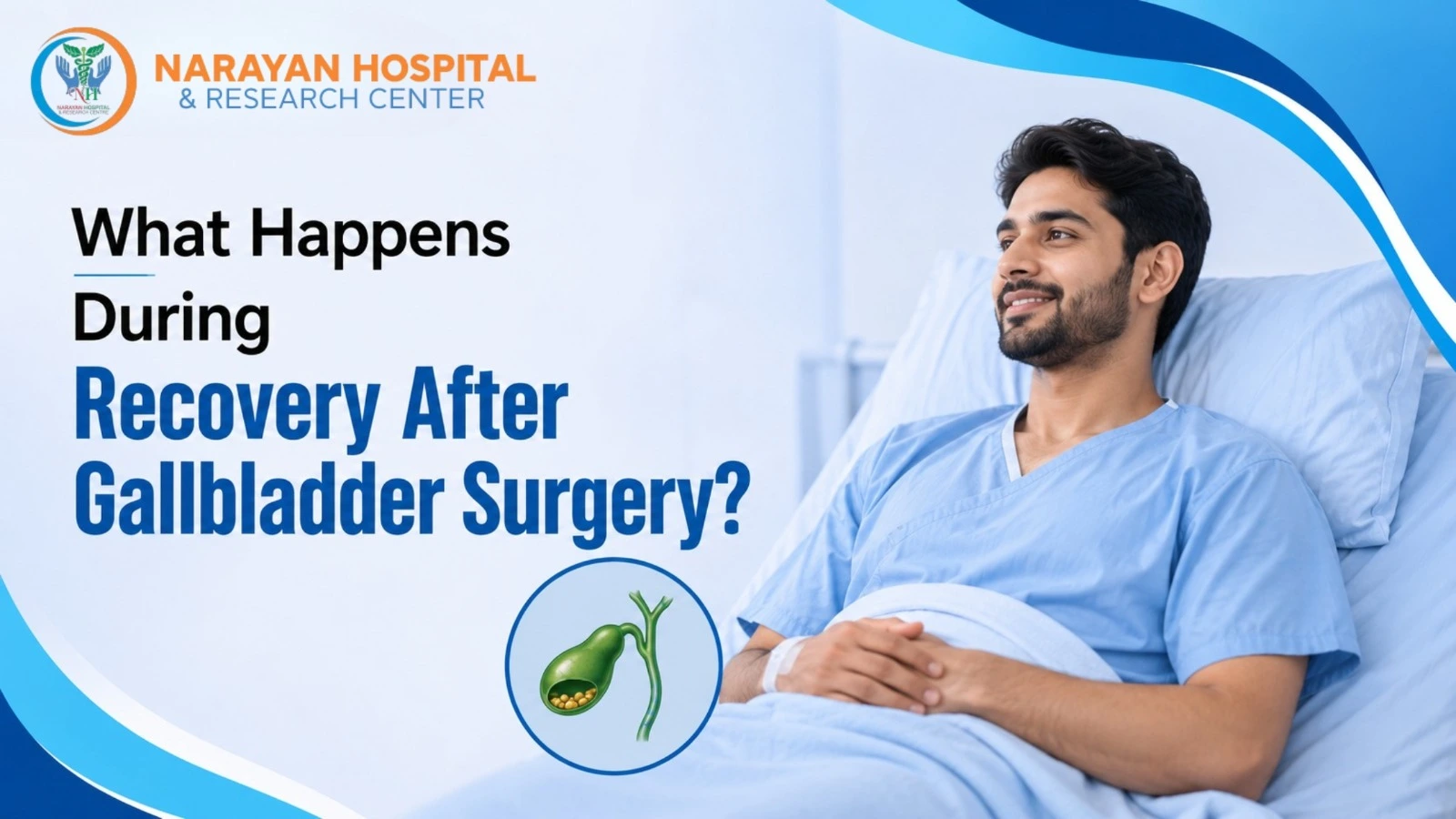
What Happens During Recovery After Gallbladder Surgery
Gallbladder removal known medically as cholecystectomy is one of the most common operations we perform, usually because of painful gallstones. The surgery itself is very routine, so most patients’ real questions are not about the operation at all. They are about what comes after.
How much will it hurt? What can I eat? When can I climb stairs, drive, lift my child, go back to the shop or the office? Is this twinge normal, or should I call someone?
This guide walks you through recovery step by step hour by hour at first, then week by week so you know what is normal, what helps, and when to pick up the phone.
The Good News About Recovery
Most gallbladder surgery today is done by laparoscopic (keyhole) technique, which makes recovery far gentler than the older open method. Instead of one long cut, there are three or four small ones, and the muscles of the abdominal wall are barely disturbed which is the single biggest reason patients are up and walking so quickly.
You can live a completely normal, healthy life without a gallbladder. The gallbladder is a storage bag, not a factory. Your liver continues to make bile exactly as before; it simply flows straight down into the intestine instead of being stored and released in a rush after a meal. For most people, digestion carries on unremarkably.
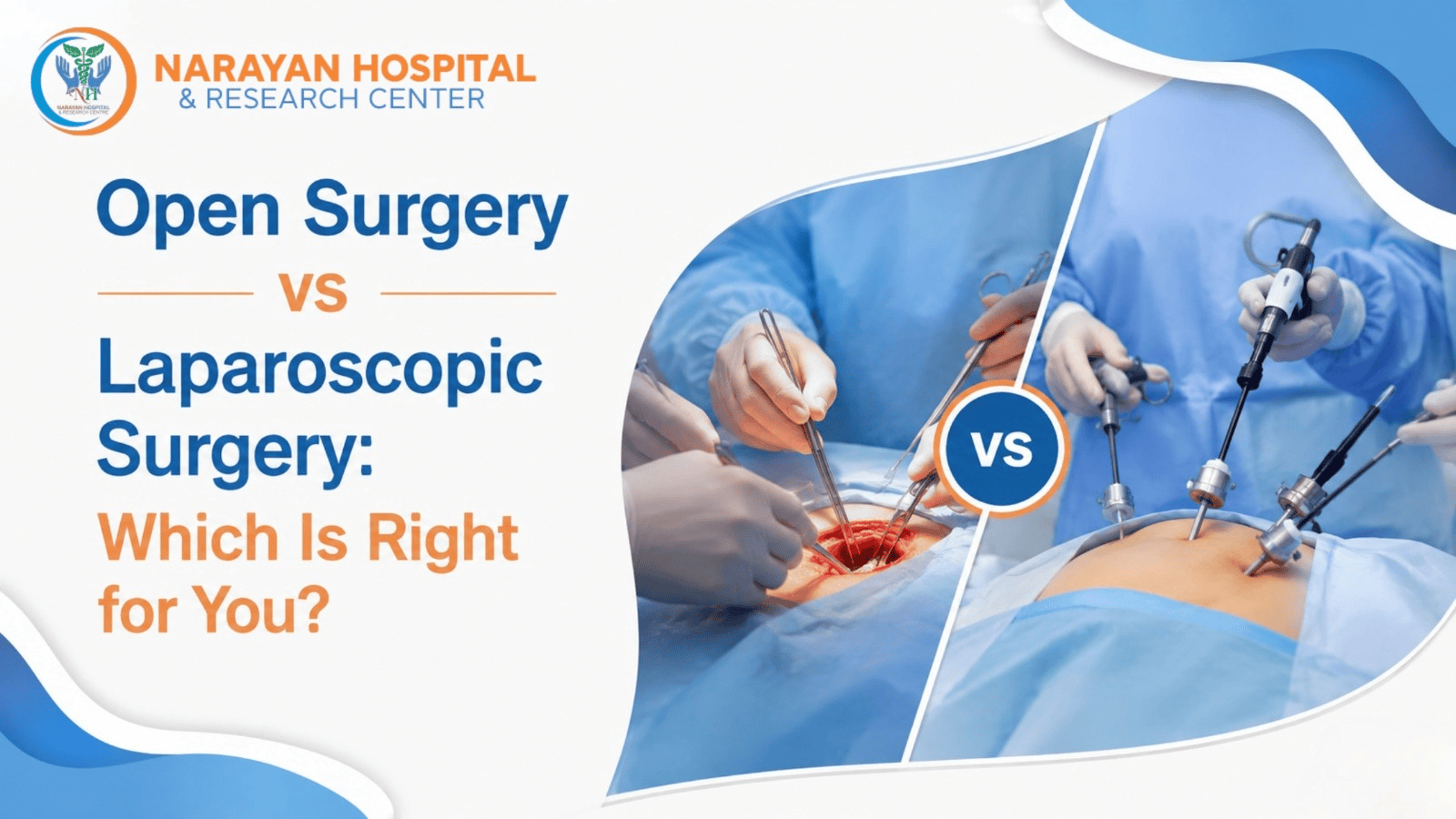
For a sense of the discomfort involved, our patient guide on whether laparoscopy is painful is worth a read, and if you are still weighing your options, our comparison of open versus laparoscopic surgery explains why keyhole is preferred in most gallstone cases.
Recovery Timeline: What to Expect
In the Hospital: The First Few Hours
You will wake in the recovery area feeling drowsy, and possibly a little nauseated from the anaesthesia this passes within a few hours. Nursing staff will check your pulse, blood pressure and wound sites. Once you are alert, you will usually be offered sips of water and then light food, and you will be helped out of bed to walk a short distance the same day. That early walk is not a formality: it lowers the risk of blood clots and chest problems, and it helps clear the residual gas.
The First 24 to 48 Hours
After laparoscopic surgery many patients go home the same day or the next morning. Expect soreness around the small incisions and, quite commonly, an aching pain in one or both shoulder tips. This shoulder pain surprises people, but it is entirely expected the carbon dioxide used to inflate the abdomen irritates the diaphragm, and that irritation is felt at the shoulder. Walking about, warm compresses and your prescribed pain relief all help, and it usually settles within a day or two.
You may also feel bloated, burp more than usual, and have little appetite. All normal.
The First Week
Pain is usually well controlled with simple prescribed medication taken on schedule rather than waiting for pain to build. Keep the incisions clean and dry as advised. Most people manage bathing, dressing and moving around the house comfortably within a few days, and stop needing painkillers by the end of the week. Tiredness in the afternoons is common an anaesthetic and an operation take more out of you than the small scars suggest.
Two to Three Weeks
Most patients return to desk work and a light routine within one to two weeks, and to fuller activity by around three weeks. Appetite returns properly, sleep normalises, and the incisions look flat and dry. Heavy lifting and strenuous exercise should wait until your surgeon clears you.
One to Three Months
Scars fade from pink to pale and become hard to spot. Any digestive adjustment a tendency towards looser stools after rich meals, for instance — usually settles during this period as the bowel adapts to a steady trickle of bile. By three months, the great majority of patients simply do not think about their gallbladder any more.
Recovery at a Glance
The table below is indicative only your surgeon will give you a personalised plan based on your health and how your operation went. It is meant to give you a realistic sense of the difference between the keyhole and open routes.
|
Milestone |
Laparoscopic (keyhole) |
Open surgery |
|
Going home |
Same day or next day |
Usually 3–5 days |
|
Off painkillers |
Around 5–7 days |
Around 2 weeks |
|
Bathing / showering |
As advised, often within 1–2 days |
As advised, once the wound is dry |
|
Desk or light work |
1–2 weeks |
3–4 weeks |
|
Driving |
Usually about a week, once pain-free |
Usually 2–4 weeks |
|
Heavy lifting / gym |
After surgeon clearance, often 3–4 weeks |
Often 6–8 weeks |
Managing Pain and Discomfort at Home
Pain after keyhole gallbladder surgery is usually modest and short-lived, but how you manage the first few days makes a real difference to how comfortable you feel. Steady dosing, gentle movement and a little support for the abdomen handle almost all of it.
-
What helps most in the first days:
- Take painkillers on the schedule you were given for the first few days, rather than waiting for pain to peak — steady dosing controls it far better
- Walk short distances several times a day; movement genuinely reduces gas pain and stiffness
- Support your tummy with a pillow or your hand when you cough, sneeze or laugh
- Sleep in whatever position is comfortable; propping up with an extra pillow helps some patients in the first nights
- Do not take any additional medicine, including painkillers bought at a chemist, without checking with your doctor
Eating After Gallbladder Surgery
Diet is the question we are asked most often, and the answer is more relaxed than most patients expect. There is no permanent special diet after gallbladder removal. There is, however, a sensible way to ease back into normal eating while your digestion adjusts.
Week 1: Light and Simple
Start with easily digestible food and plenty of fluids dal-chawal, khichdi, curd, idli, upma, toast, soft roti, clear soups, boiled vegetables, bananas and other soft fruit. Eat smaller portions more often rather than three large meals. Go easy on very oily, fried or heavy foods, and on the richest of sweets, while things settle.
Weeks 2 to 4: Rebuilding Your Normal Plate
Reintroduce your usual foods gradually, one at a time, so you can tell what agrees with you. Most people find that within a month they are eating essentially as they did before. Keep fluids up and include fibre fruit, vegetables, whole grains which helps the bowel settle into its new rhythm.
If Fatty Food Does Not Sit Well at First
Some patients notice loose motions, urgency or a bloated feeling after a rich or oily meal in the first weeks. This is common, usually temporary, and improves as the bowel adapts. Smaller portions of fat at any one sitting, and more fibre in the diet, usually resolve it. If loose motions are severe or persist beyond a few weeks, tell your surgeon — it is treatable and should not simply be endured.
The NHS takes the same practical line in its patient guidance on recovery after gallbladder removal, noting that no specific long-term diet is required, though some people tolerate fatty food less well.
Caring for Your Incisions
The port sites are small, but they still need a little care while they close. Most wound problems after keyhole surgery come from well-meant home remedies or from clothing rubbing against the cuts, both of which are easy to avoid.
-
Wound care essentials:
- Keep the wound sites clean and dry, and follow your surgeon’s advice on dressings and bathing
- Do not scrub the incisions or apply oil, powder, turmeric, toothpaste or any home remedy to them unless specifically advised
- If skin glue was used, let it flake off on its own over a week or so do not pick at it
- Wear loose, comfortable clothing so waistbands and seams do not rub against the sites
- Pat the area dry gently after bathing rather than rubbing with a towel
- Mild redness right at the edge of a cut and a little bruising are normal in the first days; spreading redness, swelling or discharge is not
Preparing well before surgery makes recovery smoother too if your procedure is still ahead, see our guide on how to prepare for surgery with general anaesthesia. It covers fasting instructions, which regular medicines to pause, and what to pack.
Movement, Driving, Lifting and Going Back to Work
Recovery is not bed rest. Gentle, frequent walking from day one is the single most useful thing you can do. What needs patience is load anything that strains the abdominal wall while the port sites heal.
-
Returning to activity, step by step:
- Walking: Start the day of surgery and build up daily. By week two, most patients manage a comfortable walk outdoors
- Stairs: Usually fine from the first days, taken slowly
- Driving: Generally once you are off strong painkillers and can brake hard and turn to look over your shoulder without hesitation, which is often about a week. Confirm with your surgeon, and check your motor insurance terms
- Lifting: Avoid heavy weights, including carrying a small child or a full water bucket, until your surgeon clears you. Lifting too early is the main avoidable cause of a hernia at a port site
- Work: Desk and shop work usually at one to two weeks; physically demanding work, farming or construction needs longer and a specific clearance
- Exercise and gym: Light stretching early, abdominal work and weights only after clearance
If You Had Open Surgery Instead
Sometimes the gallbladder is severely inflamed, densely stuck to surrounding tissue, or the anatomy is unclear, and the surgeon completes the operation through a single larger incision. This may be planned from the start, or decided during the operation a conversion, which is a safety judgement rather than a complication.
The principles of recovery are identical; the timeline is simply longer, roughly by two to four weeks at each stage, and wound care matters even more. Our article on why laparoscopic surgery is done and our explainer on what laparoscopic surgery is both cover the reasons a surgeon may choose one route over the other.
When to Call Your Doctor
Complications after gallbladder surgery are uncommon, but they are much easier to treat early. Contact your surgeon or the hospital promptly if you notice any of the following.
-
Warning signs that need a call:
- A high fever, or chills and shivering
- Spreading redness, swelling, or any discharge or foul smell from an incision
- Pain that is getting worse day by day instead of steadily better, or severe pain not relieved by your medication
- Persistent vomiting, or being unable to keep fluids down
- Yellowing of the eyes or skin, unusually dark urine, or pale stools
- A swollen, hard, tender abdomen
- Breathlessness, chest pain, or pain and swelling in a calf
- No bowel movement with abdominal bloating and vomiting
Our general surgery team is available 24×7 for post-operative concerns. When in doubt, call a two-minute phone call is always better than a night of worry.
Normal vs. Not Normal A Quick Reference
Most of what you feel in the first fortnight is simply the body settling after an anaesthetic and a few small cuts. This quick reference separates the sensations that are expected from the ones that should prompt a phone call.
|
Usually normal |
Call the hospital |
|
Shoulder-tip ache for 1–2 days |
Fever, chills or shivering |
|
Bruising and mild soreness at the cuts |
Spreading redness or discharge from a cut |
|
Bloating, burping, low appetite |
Persistent vomiting |
|
Tiredness in the afternoons |
Pain worsening day by day |
|
Looser stools after an oily meal |
Yellowing of eyes or skin |
Cost and Ayushman Bharat
Gallstone and gallbladder surgery is commonly included in the Ayushman Bharat PM-JAY package for eligible patients. At Narayan Hospital, our help desk can check your eligibility and arrange cashless treatment where applicable bring your Ayushman card, or any private insurance policy details, to your consultation so this can be sorted before the day of surgery rather than after it.
|
📞 Book Your Consultation Recovering from gallbladder surgery, or planning one and have questions? Call 1800 889 1705 (toll-free) or request an appointment online. Open 24×7, all week. |