Kidney Stone Treatment: Symptoms, Treatment Options and When to See a Doctor
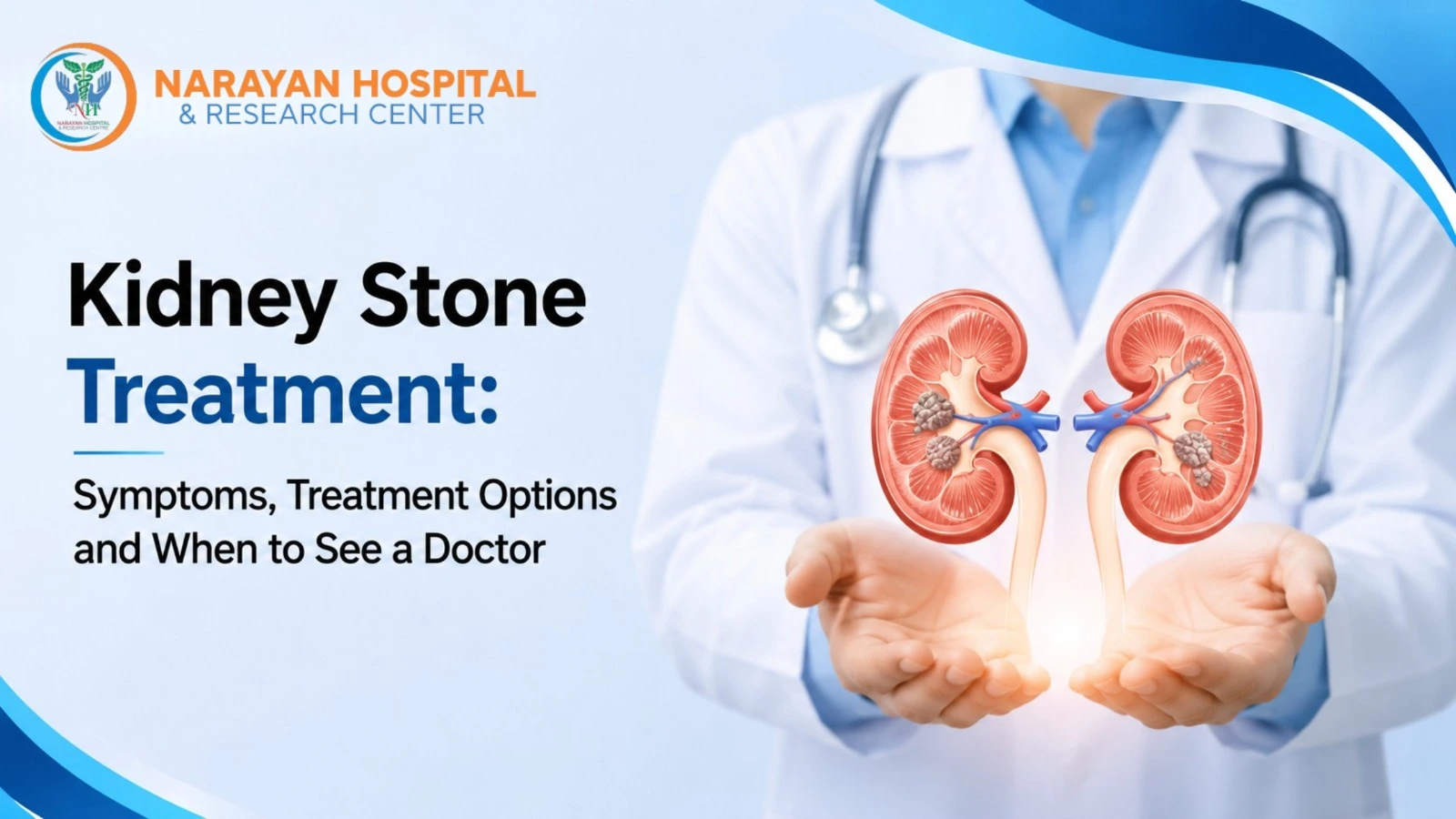
Kidney stones are hard, pebble-like deposits that form when certain minerals and salts become concentrated in the urine. They can develop in one or both kidneys and may remain unnoticed when they are small. However, a stone can cause severe pain if it moves into the ureter — the narrow tube that carries urine from the kidney to the bladder.
Kidney stones are also commonly called urinary stones, renal stones, or nephrolithiasis. Treatment depends on several factors, including the stone’s size, location, composition, symptoms, and whether it is blocking urine flow.
If you are experiencing severe side or back pain, blood in your urine, difficulty urinating, vomiting, fever, or chills, it is important to seek medical evaluation rather than trying to manage the problem on your own. In this guide, we explain kidney stone symptoms, diagnosis, treatment options, when kidney stone removal may be necessary, and when you should see a doctor.
What Are Kidney Stones?
Kidney stones are solid deposits that form when certain substances in urine become concentrated and form crystals. The stones can vary considerably in size — from very small particles to much larger stones that may obstruct the urinary tract.
Some small stones can pass naturally through the urinary tract without a procedure. Larger stones, stones that cause severe pain, or stones that block urine flow may require medical or surgical treatment. Kidney stones are sometimes referred to as urinary stones because stones can develop or become lodged in different parts of the urinary tract.
What Causes Kidney Stones?
Kidney stones can develop for several reasons. One important factor is having high concentrations of stone-forming substances in the urine. These concentrations are influenced by how much you drink, what you eat, and certain medical conditions that are entirely outside your control.
Factors That Increase Your Risk
Some risk factors can be changed and others cannot, but knowing which apply to you helps your doctor build a prevention plan that actually fits your situation. Several factors often act together rather than alone.
-
Factors associated with kidney stones:
- Not drinking enough fluids
- High levels of certain minerals in the urine
- High sodium intake
- Certain dietary patterns
- Family history of kidney stones
- Obesity
- Recurrent urinary tract infections
- Certain medical conditions
- Some medications
- Previous kidney stones
The type of kidney stone also matters. Common types include calcium stones, uric acid stones, struvite stones, and cystine stones. Identifying the type of stone can help doctors recommend appropriate prevention strategies.
Kidney Stone Symptoms
A small kidney stone may cause no symptoms at all, particularly if it does not obstruct urine flow. Symptoms often occur when a stone moves through the urinary tract or becomes lodged.
1. Severe Side or Back Pain
One of the most common symptoms is sharp pain in the back, side, lower abdomen, or groin. The pain may change location as the stone moves through the urinary tract.
2. Pain During Urination
A stone moving through the urinary tract may cause burning or discomfort while passing urine.
3. Blood in the Urine
Kidney stones can cause blood in the urine, which may make urine appear pink, red, or brown.
4. Frequent Urge to Urinate
A stone closer to the bladder may cause a frequent or urgent need to urinate.
5. Nausea or Vomiting
Severe pain associated with kidney stones may cause nausea or vomiting. Vomiting can also lead to dehydration, which may require medical treatment.
6. Fever and Chills
Fever or chills may indicate an infection, particularly when a stone is obstructing the urinary tract. This situation requires prompt medical assessment.
When Should You See a Doctor for Kidney Stones?
You should seek medical attention if you experience symptoms that may indicate a kidney stone, particularly significant pain or blood in the urine. Certain symptoms should not wait for a routine appointment at all.
Symptoms That Need Urgent Care
A kidney stone can sometimes block urine flow and contribute to urinary tract or kidney infections, and untreated complications can affect kidney function. The following signs suggest the situation needs assessment without delay.
-
Seek urgent medical care if you have:
- Severe or persistent pain
- Fever or chills
- Blood in the urine
- Repeated vomiting
- Difficulty passing urine
- Very little urine output
- Severe weakness or dehydration
- Symptoms that are getting worse
- Known kidney stones with new or worsening symptoms
Do not wait for severe symptoms to become unbearable before seeking medical evaluation.
How Are Kidney Stones Diagnosed?
Doctors generally use your symptoms, medical history, physical examination, laboratory tests, and imaging to diagnose kidney stones. Depending on your condition, the evaluation may include the following steps.
Medical History and Physical Examination
Your consultation usually begins with a detailed conversation about your symptoms and background, because the pattern of your pain and your past history often point towards the diagnosis before any test is done.
-
Your doctor may ask about:
- Location and severity of pain
- Previous kidney stones
- Family history
- Fluid intake
- Diet
- Urinary symptoms
- Previous urinary infections
- Existing medical conditions
- Medicines you take
Urine and Blood Tests
Urine testing can help identify blood, signs of infection, and substances that may contribute to stone formation. Blood tests may help assess kidney function and identify certain abnormalities associated with stone formation.
Imaging Tests
Imaging can help determine the size and location of the stone and whether it is causing an obstruction. Depending on the clinical situation, doctors may use imaging such as ultrasound, X-ray, or CT. Accurate assessment is important because the right treatment depends on factors such as the stone’s size and location.
Kidney Stone Treatment Options
There is no single treatment that is suitable for every kidney stone. Small stones may pass naturally, while larger or obstructing stones may require a procedure.
What Determines the Treatment Choice
Your surgeon weighs several factors together before recommending an approach. Two patients with stones of the same size can be advised very differently depending on where the stone sits and whether infection is present.
-
Treatment is generally selected according to:
- Stone size
- Stone location
- Type of stone
- Severity of symptoms
- Urinary obstruction
- Infection
- Kidney function
- Overall health
1. Observation and Medical Management
Some small kidney stones can pass through the urinary tract without a procedure. A doctor may recommend observation, pain management, and adequate fluid intake when appropriate. However, patients should follow individualized medical advice rather than assuming every stone can safely pass on its own.
If a stone passes, your doctor may recommend collecting it for laboratory analysis. Knowing its composition can help determine how to reduce the risk of future stones.
2. Shock Wave Lithotripsy
Shock wave lithotripsy (SWL) uses focused shock waves to break a kidney stone into smaller fragments. These fragments can then pass through the urinary tract. Whether SWL is appropriate depends on factors such as the stone’s size, location, and characteristics.
3. Ureteroscopy
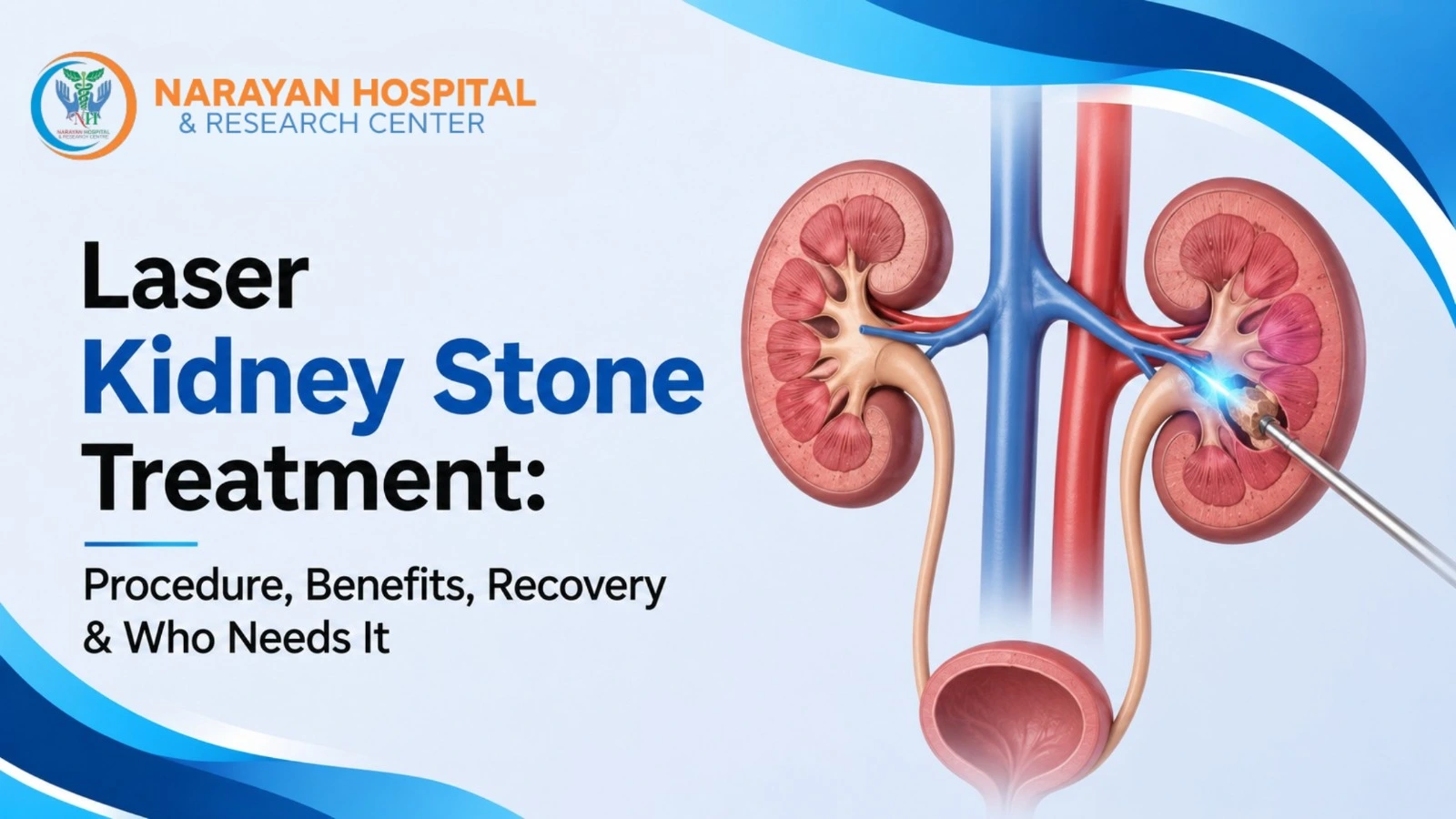
Ureteroscopy is a minimally invasive procedure in which a thin instrument called a ureteroscope is passed through the urinary tract to locate the stone.
Once the stone is identified, the doctor may remove it or break it into smaller pieces. In some cases, laser energy may be used to fragment the stone. This approach may be considered for selected kidney or ureteric stones depending on their location and size.
4. Percutaneous Nephrolithotomy
For larger kidney stones, a procedure called percutaneous nephrolithotomy (PCNL) may be considered. In this procedure, a small access point is created through the back to reach the kidney. A nephroscope is then used to locate and remove the stone. Larger stones may be broken into smaller pieces during the procedure.
The choice of procedure depends on the patient’s individual condition and the characteristics of the stone.
5. Stent Placement
In some cases, a doctor may place a thin flexible tube called a ureteral stent to help urine flow through the urinary tract or assist with stone management. A stent may be used temporarily depending on the clinical situation and treatment plan.
Is Kidney Stone Surgery Always Necessary?
No. Not every kidney stone requires surgery. Small stones may pass naturally, while other stones may require a procedure because they are too large, cause significant symptoms, obstruct urine flow, or create other complications.
When a Procedure Is Advised
The decision to intervene is made after proper evaluation rather than on stone size alone. The safest treatment option balances the chance of natural passage against the risk of waiting.
-
Your doctor may recommend an intervention when:
- The stone is unlikely to pass naturally
- Pain cannot be adequately controlled
- The stone is causing urinary obstruction
- There is an associated infection
- Kidney function is at risk
- The stone continues to cause significant symptoms
- The stone is large or located in a difficult position
How Can You Prevent Kidney Stones?
Preventing another kidney stone is an important part of long-term care. Once you have had one stone, a few sustained habits and the right follow-up testing make a genuine difference to whether another one forms.
Drink Enough Fluids
Adequate fluid intake helps dilute urine and can reduce the concentration of substances that form stones. Water is generally the preferred fluid. However, people with certain medical conditions may have specific fluid restrictions, so individualized advice is important.
Watch Your Diet
Depending on the type of stone you have had, your doctor may recommend adjustments to specific components of your diet. These recommendations should be personalized according to your stone type and medical history rather than copied from general advice.
-
Dietary factors your doctor may review:
- Sodium
- Animal protein
- Calcium
- Oxalate
- Overall fluid intake
Understand Your Stone Type
If a passed or removed stone is analyzed, its composition can help doctors understand why it formed and how to reduce the risk of recurrence.
Follow Medical Advice
People with recurrent kidney stones may need additional evaluation, including urine testing, to identify factors that increase their risk of forming stones again.
Kidney Stone Treatment: Why Early Evaluation Matters
Kidney stone pain can sometimes come and go, which may lead people to delay medical care. However, the absence of pain does not always mean the problem has completely resolved. A stone may remain in the urinary tract, and an obstructing stone can contribute to complications.
Kidney stones that are not appropriately managed can be associated with severe pain, bleeding, urinary tract infections, and, in some circumstances, loss of kidney function. Early evaluation helps determine whether the stone can be monitored or whether active treatment is needed.
Kidney Stone Treatment in Patna
If you are experiencing symptoms of kidney stones or have already been diagnosed with a urinary stone, a proper medical evaluation can help determine the most appropriate treatment.
Narayan Hospital provides multiple surgical and minimally invasive care services. You can learn more about the hospital’s General Surgery services and Laparoscopic Surgery services to understand the hospital’s broader surgical care options.
Further Reading on Minimally Invasive Treatment
These articles can help patients understand different approaches to surgery, but the appropriate treatment for a kidney or urinary stone should be determined by a qualified doctor after evaluation.
-
Related patient guides:
To discuss your symptoms and treatment options, you can contact Narayan Hospital.
Final Takeaway
Kidney stones can range from small stones that pass naturally to larger or obstructing stones that require active treatment. The right approach depends on the size, location, type of stone, symptoms, urinary obstruction, infection risk, and overall health.
If you have severe pain, blood in your urine, fever, chills, repeated vomiting, or difficulty passing urine, do not ignore the symptoms. A doctor can assess the stone and determine whether observation, medication, stone fragmentation, endoscopic treatment, or another procedure is appropriate.
If you are looking for kidney stone or urinary stone treatment in Patna, consult a qualified doctor for an individualized diagnosis and treatment plan rather than relying on home remedies alone. At Narayan Hospital, patients receive evaluation and treatment from experienced surgeons, supported by modern operation theatres and complete post-operative care under one roof.
Medical Disclaimer: This article is for general educational purposes and does not replace professional medical diagnosis or treatment. Kidney stone treatment should be determined by a qualified healthcare professional based on individual clinical evaluation.