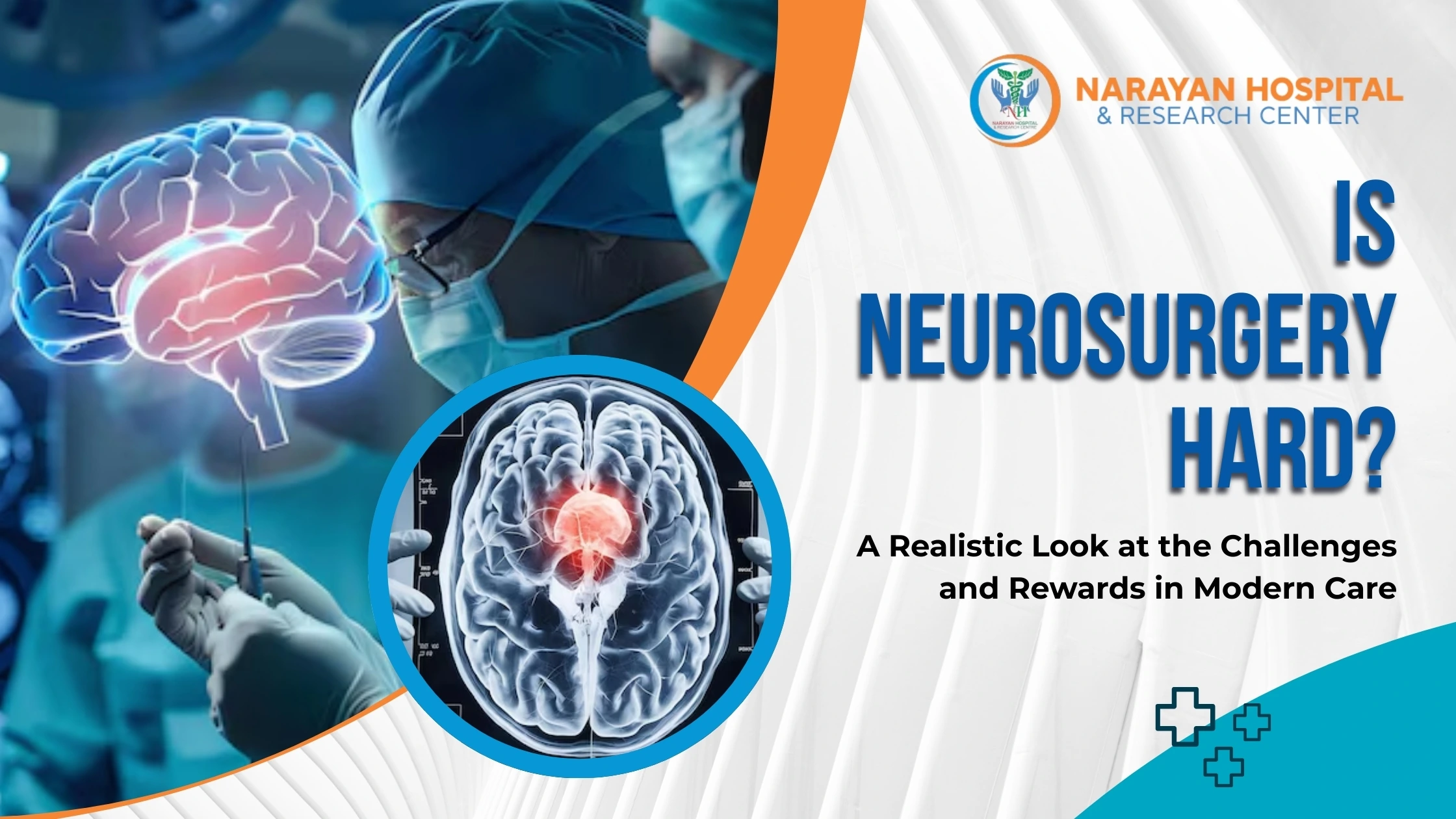
Is Neurosurgery Hard? A Realistic Look at the Challenges and Rewards in Modern Care
Neurosurgery is often regarded as one of the most demanding branches of medicine. From years of intense training to the responsibility of operating on the brain, spine, and nervous system, the specialty requires exceptional precision and emotional resilience. As someone who closely observes the neurosurgical field from a clinical standpoint, I often hear patients ask, “Is neurosurgery really that hard?”
The honest answer is yes, it is challenging. However, it is also one of the most rewarding specialties in healthcare, especially when practiced in a patient-centric environment like Neurosurgery in Patna, where access to advanced care is steadily improving.
This blog aims to give patients and caregivers a realistic, transparent understanding of neurosurgery, its difficulties, its purpose, and why choosing the right hospital and specialist matters.
Understanding What Neurosurgery Truly Involves
Neurosurgery focuses on the diagnosis and surgical treatment of disorders affecting the brain, spinal cord, nerves, and related structures. These conditions can range from brain tumors and spinal disc problems to traumatic injuries, congenital abnormalities, and nerve compression disorders.
A Neurosurgery department does not function in isolation. It relies heavily on imaging, anesthesia, intensive care, rehabilitation, and skilled nursing support. Every procedure requires coordination, accuracy, and extensive planning, which is why the specialty demands years of dedication and constant learning.
Why Is Neurosurgery Considered So Difficult?
From a professional standpoint, Neurosurgery is regarded as one of the most challenging medical specialties due to the level of precision, responsibility, and expertise it demands. The nervous system governs every essential function of the human body, leaving no room for error during diagnosis or surgical intervention. Neurosurgeons must make critical decisions under high pressure, often in life-threatening situations, where outcomes can significantly impact a patient’s quality of life.
In addition to technical complexity, neurosurgery requires years of intensive training, continuous learning, and emotional resilience. Advances in medical technology and surgical techniques further raise expectations for accuracy and outcomes. These combined factors make neurosurgery a discipline that tests not only clinical skill but also mental strength, patience, and long-term commitment.
1. Complexity of the Nervous System
The brain and spinal cord form the control center of the human body, governing movement, speech, memory, emotions, and vital functions such as breathing. In neurosurgery, even the smallest surgical miscalculation, sometimes less than a millimeter, can lead to lasting neurological changes. This extreme sensitivity demands exceptional precision, advanced imaging support, and thorough pre-operative planning, making every clinical decision critically important.
2. Long and Rigorous Training
Becoming a Neurosurgery doctor requires years of structured education and hands-on experience. After completing medical school, doctors undergo extensive residency training, followed by further specialization in complex neurological procedures. Continuous learning is mandatory, as neurosurgical techniques, equipment, and treatment protocols evolve rapidly. Staying updated ensures safer procedures and improved patient outcomes.
3. Mental and Emotional Pressure
Neurosurgeons routinely treat patients with life-threatening or life-altering conditions. Each case carries significant responsibility, as outcomes may directly affect a patient’s quality of life or survival. The emotional intensity of making high-stakes decisions, managing complications, and supporting patients and families adds a psychological dimension that makes this specialty uniquely demanding.
Despite these challenges, the ability to restore neurological function or significantly improve quality of life makes neurosurgery deeply fulfilling.
The Patient’s Perspective: Why Early Consultation Matters
From what I have observed in clinical practice, patients often delay visiting a Neurosurgery doctor near me due to fear or misinformation. However, early consultation can make a substantial difference in outcomes.
Symptoms such as persistent headaches, limb weakness, seizures, numbness, back pain with nerve symptoms, or sudden changes in behavior should never be ignored. Seeking care at a trusted Neurosurgery hospital near me allows timely diagnosis and appropriate intervention.
Neurosurgery in Patna: Advancing Care Closer to Home
In recent years, Neurosurgery in Patna has seen remarkable progress. Patients no longer need to travel long distances for advanced neurological care. Modern infrastructure, skilled specialists, and improved diagnostic tools have made high-quality neurosurgical services more accessible.
When people search for Neurosurgery near me, they are often looking for three things: expertise, safety, and trust. This is where established institutions play a critical role.
Role of a Multispeciality Setup in Neurosurgical Success
Neurosurgery outcomes improve significantly when delivered within a multispeciality ecosystem. Collaboration between departments such as orthopaedics, ENT, critical care, radiology, and rehabilitation ensures comprehensive treatment.
Narayan Hospital stands out as one of the best hospitals in Patna, trusted by a large number of patients for its structured, department-based approach to healthcare. With state of the art technology, skilled medical professionals, and dedicated nursing staff, the hospital creates an environment where complex treatments can be handled with confidence and care.
Choosing the Right Neurosurgery Doctor and Hospital
Selecting the right Neurosurgery doctor in Patna is as important as the treatment itself. Based on professional observation.
-
Patients should consider:
- Experience in handling similar neurological conditions
- Availability of advanced imaging and surgical tools
- Strong postoperative and rehabilitation support
- A transparent and compassionate care approach
A well-equipped Neurosurgery department within a reputed hospital ensures not only surgical success but also smoother recovery and long-term follow-up.
The Rewards That Make Neurosurgery Worth It
While neurosurgery is undeniably demanding, its rewards are profound. Watching a patient regain mobility, recover speech, or return to daily life after a successful procedure is deeply satisfying.
From a clinical standpoint, the impact of neurosurgery extends beyond physical healing. It restores independence, dignity, and hope. This is why many professionals consider it one of the most meaningful fields in medicine.
Institutions offering the best Neurosurgery in Patna play a vital role in delivering these outcomes by combining expertise with ethical, patient-focused care.
Why Narayan Hospital Is a Trusted Name
Narayan Hospital is referred to as one of the best hospitals in Patna by a vast number of patients. The hospital provides world-class treatment facilities supported by modern technology and experienced medical teams. Its multispeciality structure allows seamless coordination across departments, ensuring that neurosurgical patients receive holistic care under one roof.
With specialties covering gynaecology, dermatology, orthopaedics, ENT, general and laparoscopic surgery, plastic surgery, and dermatological surgery, Narayan Hospital ensures comprehensive support for complex neurological cases as well.
Final Thoughts: Is Neurosurgery Hard?
Yes, neurosurgery is hard, technically, mentally, and emotionally. But when performed in the right environment, with the right expertise and infrastructure, it becomes a powerful tool for healing. For patients seeking advanced neurological care, Neurosurgery in Patna now offers reliable, high quality options closer to home.
Choosing the right hospital and specialist can make all the difference in turning a difficult journey into a hopeful recovery.
Is Neurosurgery Hard? A Realistic Look at the Challenges and Rewards in Modern Care
Neurosurgery is often regarded as one of the most demanding branches of medicine. From years of intense training to the responsibility of operating on the brain, spine, and nervous system, the specialty requires exceptional precision and emotional resilience. As someone who closely observes the neurosurgical field from a clinical standpoint, I often hear patients ask, “Is neurosurgery really that hard?”
The honest answer is yes, it is challenging. However, it is also one of the most rewarding specialties in healthcare, especially when practiced in a patient-centric environment like Neurosurgery in Patna, where access to advanced care is steadily improving.
This blog aims to give patients and caregivers a realistic, transparent understanding of neurosurgery, its difficulties, its purpose, and why choosing the right hospital and specialist matters.
Understanding What Neurosurgery Truly Involves
Neurosurgery focuses on the diagnosis and surgical treatment of disorders affecting the brain, spinal cord, nerves, and related structures. These conditions can range from brain tumors and spinal disc problems to traumatic injuries, congenital abnormalities, and nerve compression disorders.
A Neurosurgery department does not function in isolation. It relies heavily on imaging, anesthesia, intensive care, rehabilitation, and skilled nursing support. Every procedure requires coordination, accuracy, and extensive planning, which is why the specialty demands years of dedication and constant learning.
Why Is Neurosurgery Considered So Difficult?
From a professional standpoint, Neurosurgery is regarded as one of the most challenging medical specialties due to the level of precision, responsibility, and expertise it demands. The nervous system governs every essential function of the human body, leaving no room for error during diagnosis or surgical intervention. Neurosurgeons must make critical decisions under high pressure, often in life-threatening situations, where outcomes can significantly impact a patient’s quality of life.
In addition to technical complexity, neurosurgery requires years of intensive training, continuous learning, and emotional resilience. Advances in medical technology and surgical techniques further raise expectations for accuracy and outcomes. These combined factors make neurosurgery a discipline that tests not only clinical skill but also mental strength, patience, and long-term commitment.
1. Complexity of the Nervous System
The brain and spinal cord form the control center of the human body, governing movement, speech, memory, emotions, and vital functions such as breathing. In neurosurgery, even the smallest surgical miscalculation, sometimes less than a millimeter, can lead to lasting neurological changes. This extreme sensitivity demands exceptional precision, advanced imaging support, and thorough pre-operative planning, making every clinical decision critically important.
2. Long and Rigorous Training
Becoming a Neurosurgery doctor requires years of structured education and hands-on experience. After completing medical school, doctors undergo extensive residency training, followed by further specialization in complex neurological procedures. Continuous learning is mandatory, as neurosurgical techniques, equipment, and treatment protocols evolve rapidly. Staying updated ensures safer procedures and improved patient outcomes.
3. Mental and Emotional Pressure
Neurosurgeons routinely treat patients with life-threatening or life-altering conditions. Each case carries significant responsibility, as outcomes may directly affect a patient’s quality of life or survival. The emotional intensity of making high-stakes decisions, managing complications, and supporting patients and families adds a psychological dimension that makes this specialty uniquely demanding.
Despite these challenges, the ability to restore neurological function or significantly improve quality of life makes neurosurgery deeply fulfilling.
The Patient’s Perspective: Why Early Consultation Matters
From what I have observed in clinical practice, patients often delay visiting a Neurosurgery doctor near me due to fear or misinformation. However, early consultation can make a substantial difference in outcomes.
Symptoms such as persistent headaches, limb weakness, seizures, numbness, back pain with nerve symptoms, or sudden changes in behavior should never be ignored. Seeking care at a trusted Neurosurgery hospital near me allows timely diagnosis and appropriate intervention.
Neurosurgery in Patna: Advancing Care Closer to Home
In recent years, Neurosurgery in Patna has seen remarkable progress. Patients no longer need to travel long distances for advanced neurological care. Modern infrastructure, skilled specialists, and improved diagnostic tools have made high-quality neurosurgical services more accessible.
When people search for Neurosurgery near me, they are often looking for three things: expertise, safety, and trust. This is where established institutions play a critical role.
Role of a Multispeciality Setup in Neurosurgical Success
Neurosurgery outcomes improve significantly when delivered within a multispeciality ecosystem. Collaboration between departments such as orthopaedics, ENT, critical care, radiology, and rehabilitation ensures comprehensive treatment.
Narayan Hospital stands out as one of the best hospitals in Patna, trusted by a large number of patients for its structured, department-based approach to healthcare. With state of the art technology, skilled medical professionals, and dedicated nursing staff, the hospital creates an environment where complex treatments can be handled with confidence and care.
Choosing the Right Neurosurgery Doctor and Hospital
Selecting the right Neurosurgery doctor in Patna is as important as the treatment itself. Based on professional observation.
-
Patients should consider:
- Experience in handling similar neurological conditions
- Availability of advanced imaging and surgical tools
- Strong postoperative and rehabilitation support
- A transparent and compassionate care approach
A well-equipped Neurosurgery department within a reputed hospital ensures not only surgical success but also smoother recovery and long-term follow-up.
The Rewards That Make Neurosurgery Worth It
While neurosurgery is undeniably demanding, its rewards are profound. Watching a patient regain mobility, recover speech, or return to daily life after a successful procedure is deeply satisfying.
From a clinical standpoint, the impact of neurosurgery extends beyond physical healing. It restores independence, dignity, and hope. This is why many professionals consider it one of the most meaningful fields in medicine.
Institutions offering the best Neurosurgery in Patna play a vital role in delivering these outcomes by combining expertise with ethical, patient-focused care.
Why Narayan Hospital Is a Trusted Name
Narayan Hospital is referred to as one of the best hospitals in Patna by a vast number of patients. The hospital provides world-class treatment facilities supported by modern technology and experienced medical teams. Its multispeciality structure allows seamless coordination across departments, ensuring that neurosurgical patients receive holistic care under one roof.
With specialties covering gynaecology, dermatology, orthopaedics, ENT, general and laparoscopic surgery, plastic surgery, and dermatological surgery, Narayan Hospital ensures comprehensive support for complex neurological cases as well.
Final Thoughts: Is Neurosurgery Hard?
Yes, neurosurgery is hard, technically, mentally, and emotionally. But when performed in the right environment, with the right expertise and infrastructure, it becomes a powerful tool for healing. For patients seeking advanced neurological care, Neurosurgery in Patna now offers reliable, high quality options closer to home.
Choosing the right hospital and specialist can make all the difference in turning a difficult journey into a hopeful recovery.